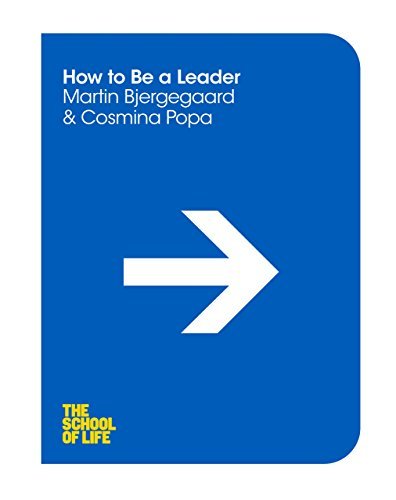
How to be a Leader
Timeless leadership lessons pulled from classical philosophy.
by The School of Life · 2016
Share on XMost leadership books are either war-story memoirs from famous executives or management-consultant frameworks. This one stays truer to The School of Life’s actual lane: leadership examined through psychological self-awareness rather than technique — what makes someone trustworthy to follow, why insecure leaders create insecure teams, and how much of “leadership” is really about managing your own anxiety well enough that it doesn’t leak onto everyone else.
It’s a useful counterweight if most of what you’ve read on leadership so far has been tactical (how to run a meeting, how to delegate) rather than about the internal work of actually being someone people want to follow.
The through-line that holds the book together is the claim that most leadership failures trace back to unmanaged anxiety rather than a lack of skill or vision — a leader who can't tolerate uncertainty pushes for premature decisions, and a leader who needs to be liked avoids the hard conversations a team actually needs from them. That reframing shifts the work of becoming a better leader from acquiring new techniques to doing real work on your own emotional regulation.
Key ideas
- Leadership examined through psychological self-awareness rather than technique — what makes someone trustworthy to follow, why insecure leaders create insecure teams.
- Most leadership problems are really unmanaged anxiety wearing a management problem's clothes.
- A leader who can't tolerate uncertainty pushes for premature decisions; a leader who needs to be liked avoids the hard conversations a team needs.
- It's a useful counterweight if most of what you've read on leadership so far has been tactical rather than about the internal work of being someone people want to follow.