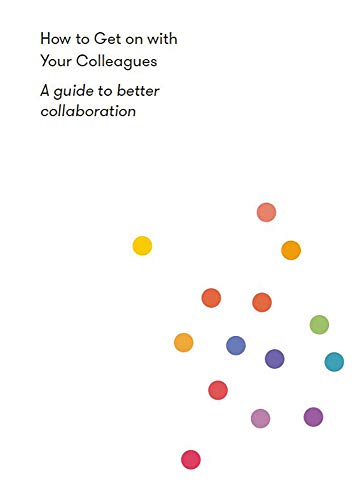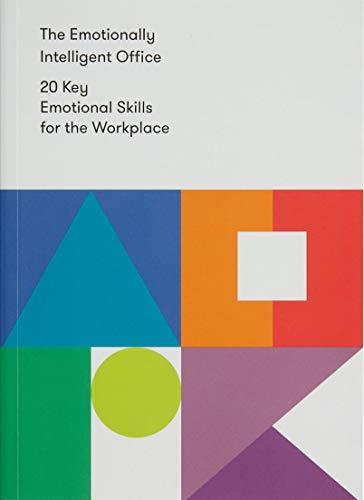
The Emotionally Intelligent Office
Making emotional intelligence practical for actual office dynamics.
by The School of Life · 2019
Share on XMost workplace advice treats the office as a purely rational space — process, incentives, org charts — and quietly ignores the fact that it’s also full of egos, insecurities, and unspoken emotional dynamics that shape how decisions actually get made. The Emotionally Intelligent Office applies The School of Life’s psychological lens to that gap: reading the room, managing your own reactions under pressure, understanding why a colleague’s behavior makes more sense once you see the anxiety underneath it.
It pairs naturally with your Management & Career shelf, but comes at the same territory from the emotional-intelligence angle rather than the management-technique angle — less “how to run a one-on-one,” more “why the one-on-one felt tense and what was actually going on.”
The School of Life's specific contribution is refusing to treat difficult office behavior as simply 'unprofessional' — a colleague who overreacts to feedback or micromanages under pressure is, in their framing, almost always running an old emotional script that has nothing to do with the current situation, and the useful move is recognizing that pattern rather than taking the behavior personally.
Key ideas
- The office is full of egos, insecurities, and unspoken emotional dynamics that shape decisions — not just process and org charts.
- Most difficult behavior at work is an old fear showing up in a new meeting.
- A colleague's overreacting to feedback or micromanaging under pressure is almost always running an old emotional script unrelated to the current situation.
- It pairs with your Management & Career shelf but comes at the same territory from the emotional-intelligence angle rather than technique.