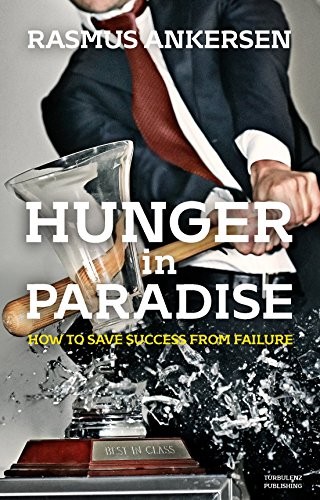
Hunger in Paradise
Why scarcity, not comfort, tends to produce elite footballing talent.
by Rasmus Ankersen · 2016
Share on XAnkersen, who later became co-owner and sporting director of Brentford FC, traveled the world studying the small clubs and academies that produce outsized numbers of elite footballers, asking what conditions actually manufacture talent.
The thesis: talent isn't found so much as built, through deliberate practice, scarcity-driven hunger, and environments that force adaptation — comfort, ironically, tends to produce fewer great players than harder circumstances do.
It's part travelogue and part research synthesis, which makes it engaging but occasionally light on rigorous evidence for its boldest claims; treat some of the case studies as suggestive rather than proven.
Ankersen's most consistent finding across the academies he visits is that scarcity does work comfort can't — kids who have to fight for playing time, equipment, or a coach's attention develop a competitiveness and adaptability that well-resourced academies, for all their facilities, often fail to replicate. It's a specific enough pattern across enough case studies that it reads as more than coincidence, even where individual anecdotes stay short of proof.
Key ideas
- Talent isn't found so much as built, through deliberate practice, scarcity-driven hunger, and environments that force adaptation.
- The best academies aren't the best-resourced ones — they're the ones that manufacture just enough scarcity to force real competition.
- Comfort, ironically, tends to produce fewer great players than harder circumstances do.
- It's part travelogue and part research synthesis, engaging but occasionally light on rigorous evidence for its boldest claims.