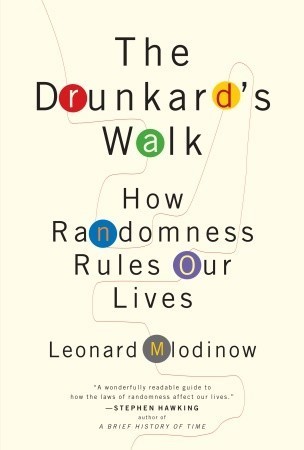
The Drunkard’s Walk
How much of what we call skill or failure is actually just randomness.
by Leonard Mlodinow · 2008
Share on XLeonard Mlodinow’s central argument in The Drunkard’s Walk is uncomfortable and hard to unsee once you’ve absorbed it: a huge amount of what we attribute to skill, intention, or destiny — a hot streak, a lucky break, a run of bad luck at exactly the wrong time — is much closer to pure randomness than the stories we tell about it afterward.
He builds the case through examples that hit close to home for anyone who follows sports, markets, or careers: why a mutual fund manager’s five great years in a row tells you almost nothing about skill once you do the math on how many managers you’d expect to get lucky by chance alone; why film executives who greenlit a hit and a flop back to back get treated as a genius and then a fool for the same underlying decision-making process.
Mlodinow's fund-manager example is the one worth sitting with longest — if you start with a large enough pool of managers, simple probability guarantees some will post five great years in a row by chance alone, with zero skill involved, and there's no way to distinguish that manager from a genuinely skilled one using only the win streak itself. The same math applies to any hot streak in sports, business, or betting: length alone is weak evidence of skill unless you can rule out how many people you'd expect to get lucky by pure chance.
Key ideas
- A huge amount of what we attribute to skill, intention, or destiny is much closer to pure randomness than the stories we tell about it afterward.
- A long winning streak is weaker evidence of skill than it feels like — with enough people trying, some are guaranteed to get lucky for a while.
- A mutual fund manager's five great years in a row tells you almost nothing about skill once you do the math on how many managers you'd expect to get lucky by chance.
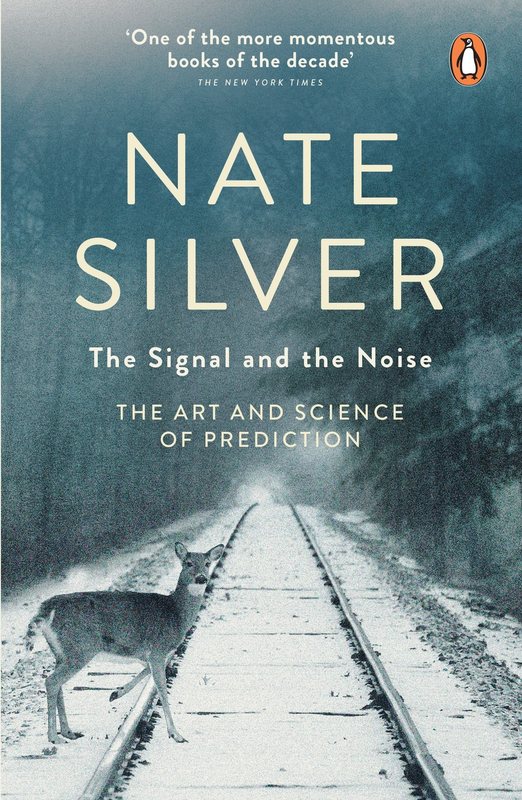
- It pairs naturally with The Signal and the Noise — that book is about forecasting better, this one is about recognizing how unpredictable the past already was.